
Bathroom Recaulking in Toledo: Plan for 2026
Prepare your Toledo bathroom for 2026 with expert recaulking services. Prevent water damage and improve appearance.
If you own a home in Toledo or anywhere in Northwest Ohio, you know our weather can throw a lot at a house. From humid Lake Erie summers to freezing winter snaps, the constant temperature shifts and moisture levels can really test your home’s defenses. One small but mighty defense often gets overlooked: the caulk in your bathroom. That thin line of sealant around your tub, shower, sink, and toilet base works hard every single day to keep water where it belongs. When it fails, it opens the door to bigger problems than just a bit of mildew.
Why That Bathroom Caulk Matters More Than You Think in Toledo
Think about it. Every shower, every bath, every time you wash your hands, water splashes and runs. Your bathroom caulk forms a waterproof barrier, stopping that water from seeping into your walls, floors, and vanity cabinets. In Toledo, especially with our older housing stock in neighborhoods like the Old West End or South Toledo, moisture intrusion can quickly lead to rot, mold, and expensive structural damage. Even in newer homes in Sylvania or Perrysburg, a few years of daily use and our local humidity can break down caulk. It’s not just about keeping things looking clean. It is about protecting your home’s bones from water damage.
How Often Should You Recaulk Your Toledo Bathroom?
This is a common question we get. Generally speaking, you should plan to inspect your bathroom caulk annually and consider recaulking every three to five years. However, several factors can shorten that timeframe. If you have a busy household with daily showers, especially in a bathroom with poor ventilation, your caulk will wear out faster. A home built in 1950, for example, might have original tile and grout that moves a bit more, stressing the caulk lines. In contrast, a modern home with rigid shower surrounds might see its caulk last closer to five years. For instance, a shower in a family bathroom used twice a day might show signs of wear and tear on its caulk after just 36 months. It truly depends on how much action that bathroom sees.
Spotting the Trouble: Clear Signs Your Caulk is Failing
You do not need to be a home inspector to spot bad caulk. Just take a close look. Are there any cracks, even hairline ones, along the edges of your tub or shower? Is the caulk peeling away from the tile or the fixture? Does it look shrunken, hard, or discolored with black or pink mildew stains that will not scrub off? These are all big red flags. You might also notice a spongy feeling on the floor near your tub or shower, which can indicate water is already getting underneath. A quarter-inch gap between the caulk and the wall, or a patch of mildew larger than a silver dollar, means it is time for a change. Do not wait until you see water stains on the ceiling below the bathroom.
The Real Cost of Ignoring Cracked Caulk in a Toledo Home
Ignoring failing caulk might seem like a small thing, but it can lead to some big headaches and expenses. Water seeping through those cracks can rot wooden subflooring, damage drywall, and even compromise structural elements over time. We have seen instances where a small caulk failure led to hundreds of dollars in repairs: replacing a section of water-damaged drywall behind a leaky sink, for example, or dealing with mold growth in the wall cavity next to a shower. A small leak, left unaddressed for six months, can easily turn into a $500 repair bill for replacing rotted wood and patching drywall. It is far more cost-effective to address the caulk proactively rather than waiting for the damage to become obvious.
Picking the Right Sealant for Toledo’s Conditions
When it comes to recaulking, not all products are created equal. For bathrooms, especially in a humid climate like ours, you generally want to use a 100% silicone caulk. Silicone is highly flexible, completely waterproof, and resistant to mildew growth. It lasts much longer than acrylic latex caulk, which can shrink, crack, and mold more easily in constantly wet environments. While acrylic caulk is paintable and easier to clean up, it is not the best choice for a shower or tub surround. Look for silicone caulk specifically labeled for “kitchen and bath” and “mildew resistant.” A good quality 10.3-ounce tube of silicone caulk typically covers about 30 linear feet of seam, which is usually enough for a standard tub and shower.
What Toledo Handyman Does for Your Bathroom Recaulking
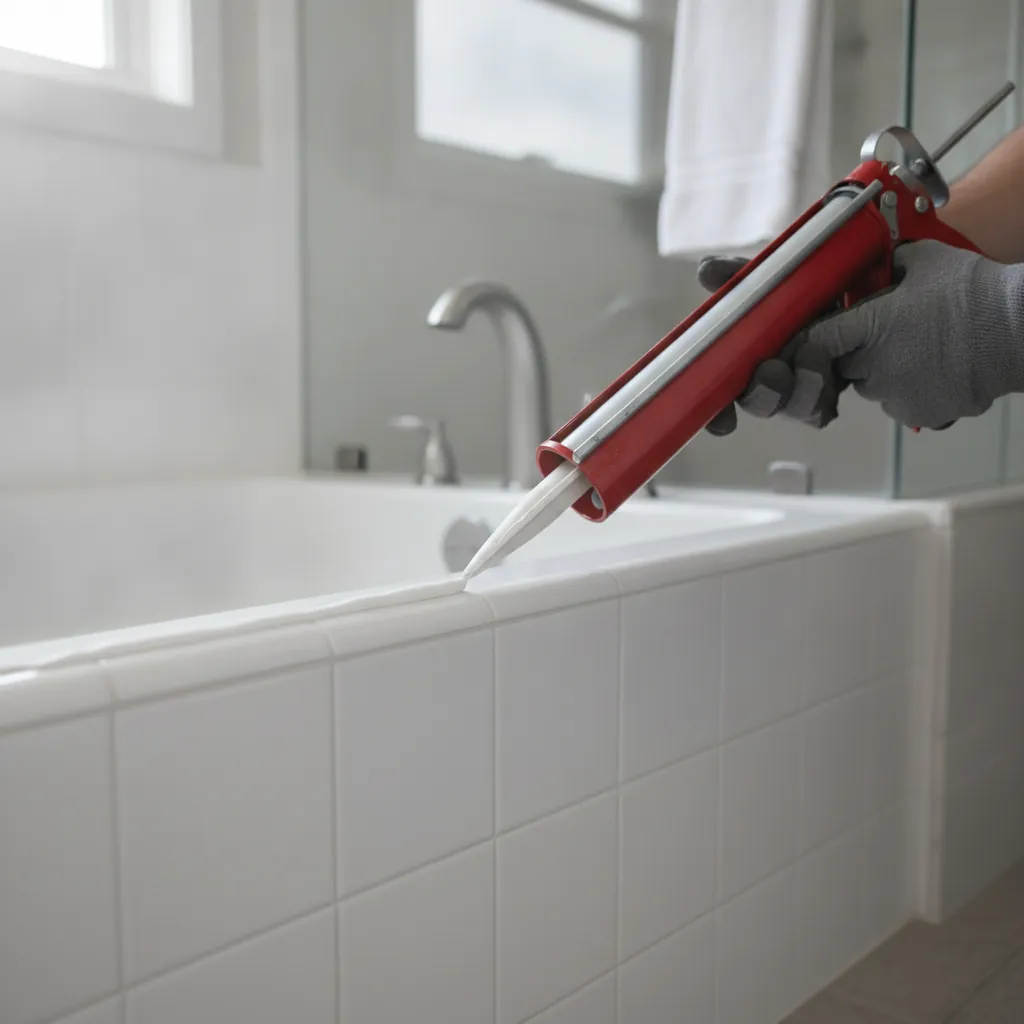
When you call Toledo Handyman and Home Repair for a recaulking job, we do not just slap new caulk over the old stuff. That is a temporary fix that never lasts. Our process starts with carefully removing all the old, failing caulk. This is a critical step, as new caulk needs a clean, dry surface to adhere properly. We then clean the area thoroughly, removing any mildew, soap scum, or residue. Once the surfaces are completely dry, we apply a fresh, even bead of high-quality, mildew-resistant silicone caulk. We tool the caulk for a smooth, professional finish that not only looks good but also creates a lasting, watertight seal. A standard shower recaulking job, done right, usually takes our crew about 90 minutes.
Keeping your bathroom caulk in good shape is a simple, affordable way to protect your Toledo home from water damage and keep your bathroom looking its best. Do not let small cracks turn into big problems. If you are noticing any of the signs of failing caulk, or if it has been a few years since your bathroom was last sealed, it is time to give us a call. Toledo Handyman and Home Repair is your local crew for home repairs and maintenance across Toledo and Northwest Ohio. Our standard visit is $89, and we are ready to help you keep your home in top condition. Call us today at 419-574-5623 or book your visit through our portal at /portal.
FAQ
Q: How long does a recaulking job usually take for a standard bathroom? A: A typical bathroom recaulking job, including removal and application, takes about 1 to 2 hours.
Q: How much caulk is generally used for a standard bathtub and shower surround? A: One 10.3-ounce tube of caulk is usually plenty for a standard bathtub and shower.
Q: What is the typical lifespan of good quality silicone bathroom caulk? A: Good quality 100% silicone caulk can last for 5 to 10 years when applied correctly.
Q: How much can a water damaged subfloor repair cost if caulk fails? A: Repairing a small section of water-damaged subfloor can cost around $300 to $700, not including finishing materials or potential mold remediation.
Submit it through the portal
$89 standard visit. Same-day quote. Live photos.
Request a Service